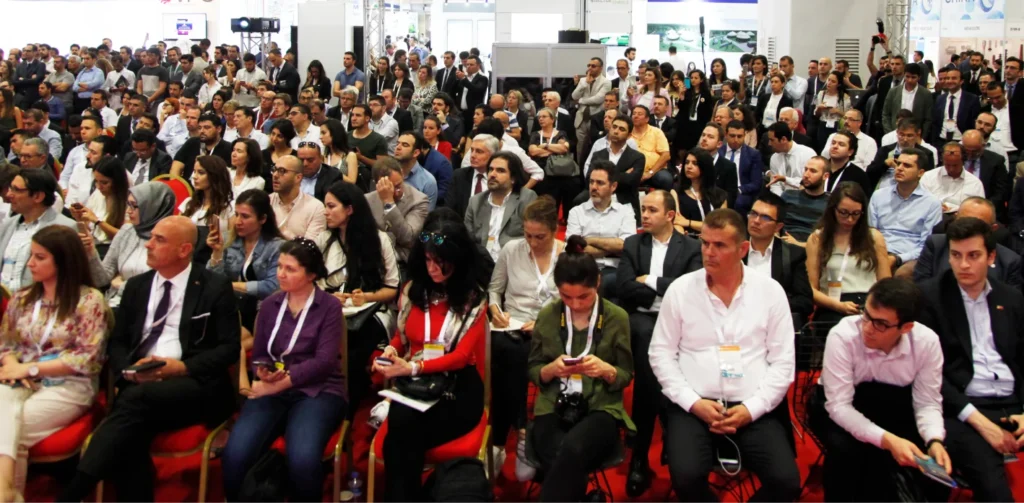
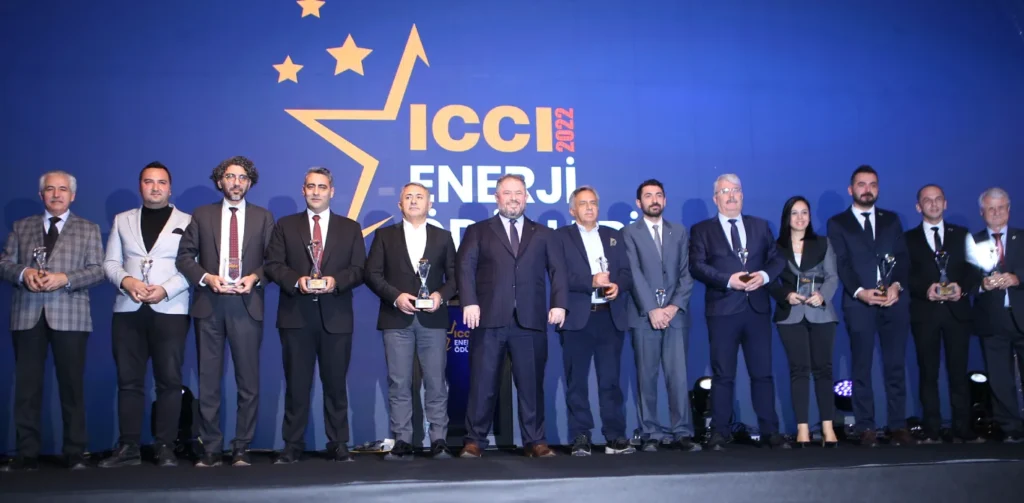
1994 yılında ziyaretçilerine ilk kez kapılarını açan ve 1999 yılında ICCI Fuar & Konferans formatına evrilen ICCI, enerji endüstrisinin tüm paydaşlarını 30 yıldır aynı çatı altında bir araya getiriyor.
Enerji Değer Zinciri” konumlandırmasıyla ICCI; karar vericileri teknoloji sağlayıcıları, EPC firmaları, yatırımcılar ve kamu paydaşlarıyla buluşturarak karbonsuzlaşma, verimlilik, dijitalleşme, şebekeler, enerji depolama, hidrojen ve e-mobilite gibi başlıklarda sektörün karar vericileri arasındaki iletişim ve bilgi alışverişi köprüsü konumunu güçlendirerek sürdürmeye devam ediyor.
ICCI’nin 30. edisyonu, 16–18 Eylül 2026 tarihlerinde İstanbul’da Yenikapı Avrasya Gösteri ve Sanat Merkezi’nde enerji ekosistemini bir kez daha buluşturuyor.
BİR BAKIŞTA ICCI’NIN 30 YILI
0+
ZİYARETÇİ
0+
ÜLKE
0+
ZİYARETÇİ
0+
ÜLKE
Geçtiğimiz Edisyondan Yansımalar
Paydaşların Gözünden
30 YILLIK YOLCULUKTAN YANSIMALAR
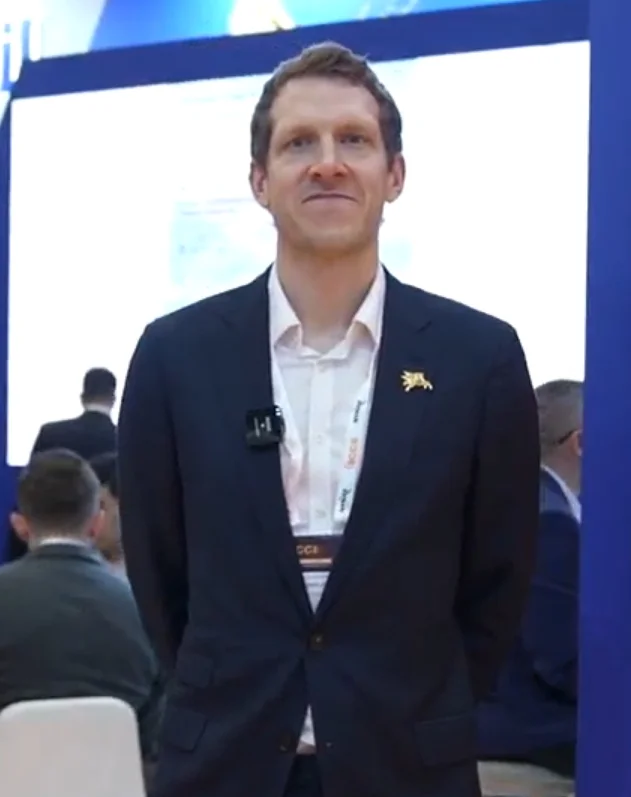
Steven Fulleylove Pazarlama Direktörü, Avrupa/Afrika/Orta Doğu | Mobil Oil Türkiye ICCI 2025 “ICCI 2025’te, Mobil Oil’in Türkiye’deki varlığını vurgulamak ve enerji sektörüne duyduğumuz heyecanı paylaşmak için yer alıyoruz. Yeni ürün lansmanlarımızı burada ilk kez tanıtıyoruz ve standımıza gösterilen ilgi son derece memnuniyet verici. Fuar alanındaki dinamizm ve enerji gerçekten ilham veriyor. Türkiye’de 15 yılı aşkın süredir faaliyet gösteren bir marka olarak, gelecek yıl daha derin müşteri ve pazarlama içgörüleriyle ICCI’ye yeniden katılmayı heyecanla bekliyoruz.”
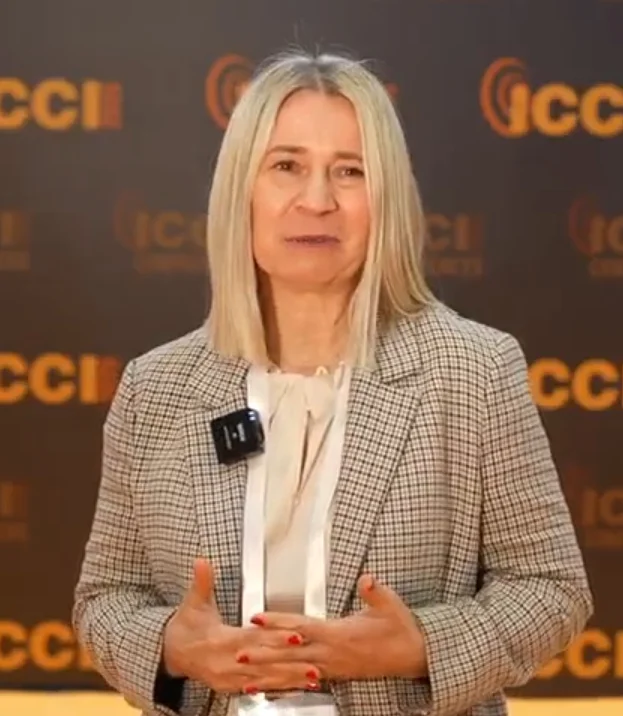
Ivana Serec Hırvatistan Cumhuriyeti İstanbul Başkonsolosu ICCI 2025 “ICCI, tüm enerji uzmanları için son derece önemli bir platform. Bu yıl ICCI’ın 29. edisyonu kapsamında enerji diplomasisi yuvarlak masa toplantısını başlatmış olmaktan büyük gurur duyuyorum. Azerbaycan, Avustralya, Danimarka ve benim gururla temsil ettiğim Hırvatistan’dan konuşmacılarımız vardı. Bu oturumla birlikte ilk kez enerji güvenliğinin, iş birliğinin ve bölgesel dayanışmanın önemini vurguladık. Ayrıca enerji hatları ve kaynak çeşitliliğinin ne kadar hayati olduğunu da altını çizdik.”
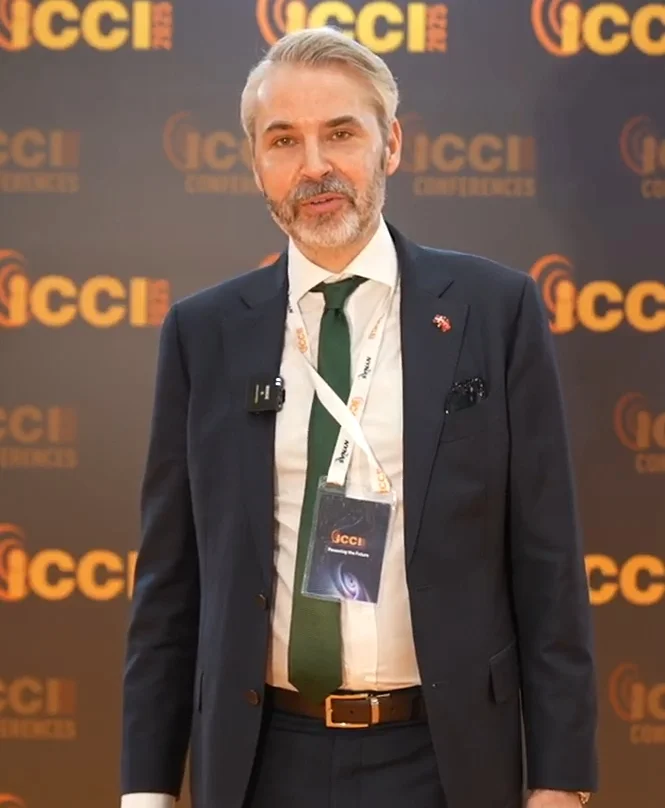
Thierry Hoppe Danimarka İstanbul Başkonsolosu ICCI 2025 “Danimarka Başkonsolosluğu olarak ICCI’a uzun süredir destek veriyoruz. Ben de şahsen her yıl ziyaret ediyorum. Bu yıl da küresel enerji güvenliği ve Danimarka enerji stratejisi üzerine düzenlenen bir panelde yer almak için yeniden burada olmaktan mutluluk duyuyorum. Önümüzdeki yıllarda daha fazla Danimarkalı şirketin etkinliğe katıldığını görmekten büyük memnuniyet duyarım.”
Neslihan Tok Socar Türkiye, İletişim ve Sürdürülebilirlik Grup Müdürü ICCI 2023 “Enerji sektörünün kalbinin attığı, son derece kapsamlı bir etkinlik. Bu yıl 27’nci kez düzenleniyor. Enerjinin geçmişini, bugününü ve geleceğini konuşmak isteyen herkesin konferans programına katılmasını öneririm. Gerçekten çok güçlü bir platform.”
İzzet Alagöz EÜAŞ / Elektrik Üretim Anonim Şirketi Genel Müdürü ICCI 2023 “ICCI Fuarı’nın sektörün içerisinde yıllara yayılan olumlu iz düşümleri var. Bunların artarak devam etmesi gerektiğine inananlardan biriyim. Dolayısıyla her ICCI Fuarı’nda ben aynı heyecanla yine katılıyorum bundan sonra da ömrüm oldukça katılmaya devam edeceğim”
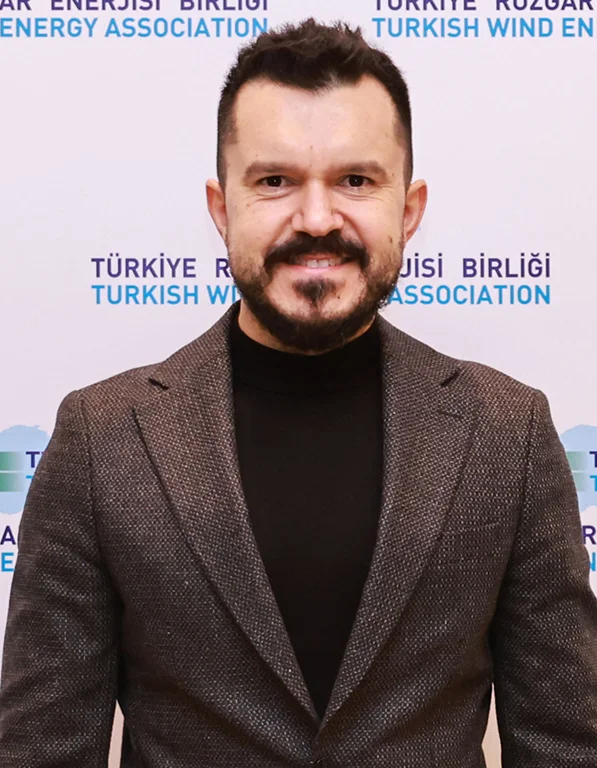
İskender Kökey TÜREB Genel Sekreteri ICCI 2023 “ICCI, sektörün ilk gününden beri heyecanla katıldığımız, sektörü bir araya toplayan bir etkinlik. Bu sene de 2023’te yine bir arada olmaktan son derece mutluyuz. Burada sektör paydaşlarımızla bir araya gelip ortak sorunlarımızı istişare etme, yeni haberler varsa da bunları hep birlikte dinleme, değerlendirme şansı bulduk. Her sene olduğu gibi bu sene de ICCI üzerine düşeni yaptı, son derece keyifle buradayız.”
Enerji güncesi
Sektördeki gelişmeler, regülasyonlar ve trendleri haftalık takip edin.